
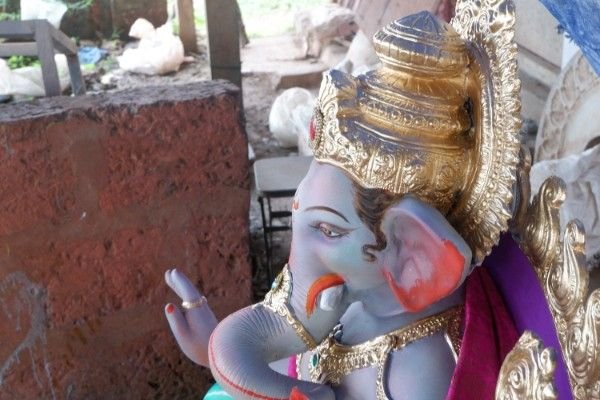
Introduction to Eco-Friendly Ganesh Idols
Ganesh Chaturthi, a festival celebrated with great enthusiasm across India, honors Lord Ganesha, the elephant-headed deity symbolizing auspicious beginnings and the removal of obstacles. This vibrant celebration typically involves elaborate decorations, music, dance, and monumental idols crafted from clay or plaster of Paris, which many devotees immerse in rivers or oceans after the festivities. However, the materials used in these traditional Ganesh idols often have detrimental effects on the environment due to non-biodegradability and the toxic substances they release into water bodies, highlighting the need for a sustainable approach.
In response to the growing environmental concerns, eco-friendly Ganesh idols have emerged as a viable alternative. Crafted from natural materials such as clay, cow dung, and biodegradable composites, these idols decompose naturally and do not harm aquatic ecosystems during immersion. The shift towards sustainable idols not only caters to the festival’s aesthetic aspects but also reflects a conscious effort to align religious practices with environmental consciousness. Embracing eco-friendly idols is a step toward minimizing one’s ecological footprint during the festivities.
The significance of choosing eco-friendly options extends beyond individual preference; it resides in the collective responsibility of society to foster environmental sustainability. By adopting these alternatives, communities can balance the cherished traditions of Ganesh Chaturthi with ecological awareness, ultimately contributing to a healthier planet. This shift encourages artisans to innovate while preserving cultural heritage, enabling sustainable practices to coexist with spirituality. As the festival approaches, the discussion around eco-friendly Ganesh idols continues to gain momentum, reestablishing the importance of safeguarding nature while honoring one’s faith.
Benefits of Eco-Friendly Materials Used in Ganesh Idols
The increasing awareness of environmental concerns has led to a significant shift towards the use of eco-friendly materials in the creation of Ganesh idols. Traditionally made from plaster of Paris and artificial colors, these idols often contribute to pollution when they are immersed in water bodies. In contrast, eco-friendly Ganesh idols made from natural clay are non-toxic and biodegradable. Clay, a natural material, not only minimizes environmental impact but also supports traditional artisans who rely on this practice for their livelihood.
Another prominent feature of eco-friendly Ganesh idols is the use of natural colors derived from plants, herbs, and minerals. Unlike synthetic colors that often contain harmful chemicals, these natural alternatives are safe for both humans and aquatic life. Utilizing biodegradable substances for embellishments further enhances the sustainability of the idols. This shift not only ensures the protection of our water resources but also reflects a respect for the health of the broader ecosystem.
The long-term benefits of adopting eco-friendly materials extend beyond environmental preservation. Communities that embrace sustainable practices often witness improvements in public health as pollutants from traditional idol immersion are reduced. Furthermore, the promotion of biodegradable idols supports local economies by encouraging artisans to use sustainable practices, thereby fostering a more resilient community.
Additionally, utilizing eco-friendly materials contributes significantly to the preservation of flora and fauna. By minimizing pollution and promoting the use of biodegradable materials, the harmony between cultural celebrations and environmental responsibility can be restored. Ultimately, the transition to eco-friendly Ganesh idols embodies a commitment to celebrating traditions while prioritizing the health of our planet for future generations.
Impact on Society and Environment
The adoption of eco-friendly Ganesh idols has a profound impact on both society and the environment, marking a significant shift towards sustainability during festivals. Traditional Ganesh idols, often made from non-biodegradable materials such as plaster of Paris and painted with toxic paints, pose a severe threat to aquatic ecosystems when immersed in water bodies. The harmful chemicals leach into the water, leading to increased pollution and affecting the flora and fauna of the ecosystem. By embracing eco-friendly alternatives, composed of natural clay and covered with organic colors, communities can significantly reduce water pollution during the Ganesh Chaturthi festival.
Moreover, the reduction of plastic waste is another critical benefit of using sustainable idols. Many traditional idols incorporate plastic elements, which not only contribute to landfill waste but also take centuries to decompose. Eco-friendly idols, however, are designed to be biodegradable, thereby promoting a circular economy and aligning festival practices with environmentally responsible behavior. These changes foster a culture of waste reduction, encouraging households to engage in sustainable practices beyond the festive season.
Implementing eco-friendly practices also enables communities to raise awareness about environmental issues. Numerous case studies highlight the successful transition to sustainable Ganesh idols within various localities. For instance, neighborhoods that initiated eco-friendly idol workshops have not only created a sense of community participation but also educated participants on the importance of conserving nature. Such initiatives often inspire younger generations to adopt green practices, ultimately cultivating a heightened consciousness around environmental conservation. These collective endeavors showcase the power of community-driven efforts in enhancing public behavior and consciousness regarding sustainable practices.
How to Choose and Create Eco-Friendly Ganesh Idols
Choosing and creating eco-friendly Ganesh idols is an essential step toward promoting sustainability during the Ganesh Chaturthi festival. Consumers should prioritize selecting idols made from natural, biodegradable materials such as clay, paper, or even organic substances like cow dung. These materials not only reduce environmental impact but also ensure that the idol dissolves harmlessly in water after the festival concludes. When purchasing, look for certifications or labels indicating sustainable practices, and support local artisans who craft eco-friendly idols, thereby also contributing to local economies.
For those inclined to take a hands-on approach, creating your own eco-friendly Ganesh idol at home can be a rewarding and creative process. Start by gathering materials such as clay, wheat flour, and natural colors derived from fruits and vegetables. These ingredients can be easily combined to form the idol. There are numerous tutorials available online that guide DIY enthusiasts through the entire process, from sculpting to painting. Emphasizing organic coloring agents ensures that the idol remains free from harmful chemicals, making it safe for immersion in water.
Promoting eco-friendly practices within communities is equally important. Organize local workshops that educate participants about sustainable idol-making techniques, fostering awareness among community members about the benefits of eco-friendly celebrations. Additionally, encouraging collective immersion practices can significantly reduce pollution rates, as communities can come together for a single immersion rather than numerous individual ones. Engaging schools and local organizations in clean-up drives following the festival can further highlight the importance of preserving our environment during such poignant cultural celebrations.